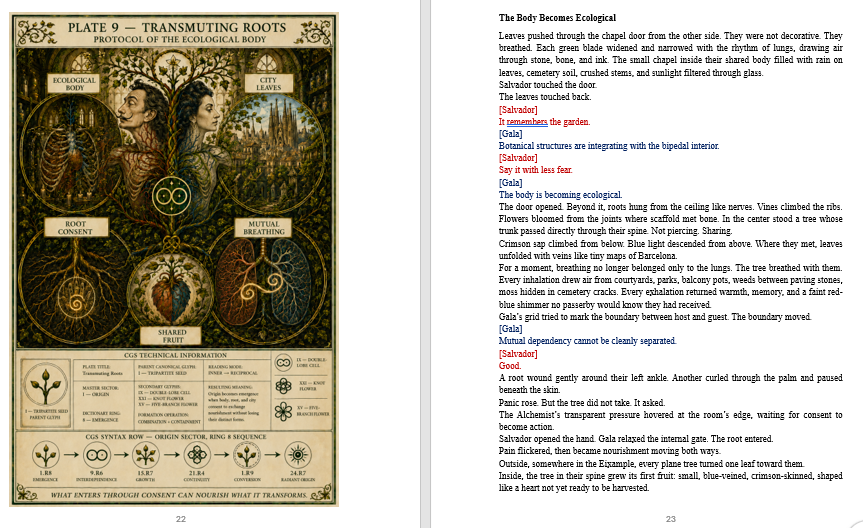
One consciousness cannot see everything.In The Book of Split Ink, Gala and Salvador arise from the symbolic structures of the Chimeric Protocols themselves. Gala is associated with the lucid blue intelligence of structure, measure and architecture. Salvador carries a crimson world of ink, memory, root, wound and transformation in process.They are not two observers entering … Continue reading Gala and Salvador: Two Ways of Seeing
67. War and Peace — Leo Tolstoy
Tolstoy constructs a macro-scale field theory where individuals behave like particles buffeted by historical forces far larger than themselves. Napoleon is a heavy boson whose presence distorts the entire energy landscape, yet Tolstoy insists his influence is statistical, not causal: no single agent determines the trajectory of nations. Pierre, Natasha, and Andrei move through these … Continue reading 67. War and Peace — Leo Tolstoy
A.I. in an artistical practice: to be or not to be?
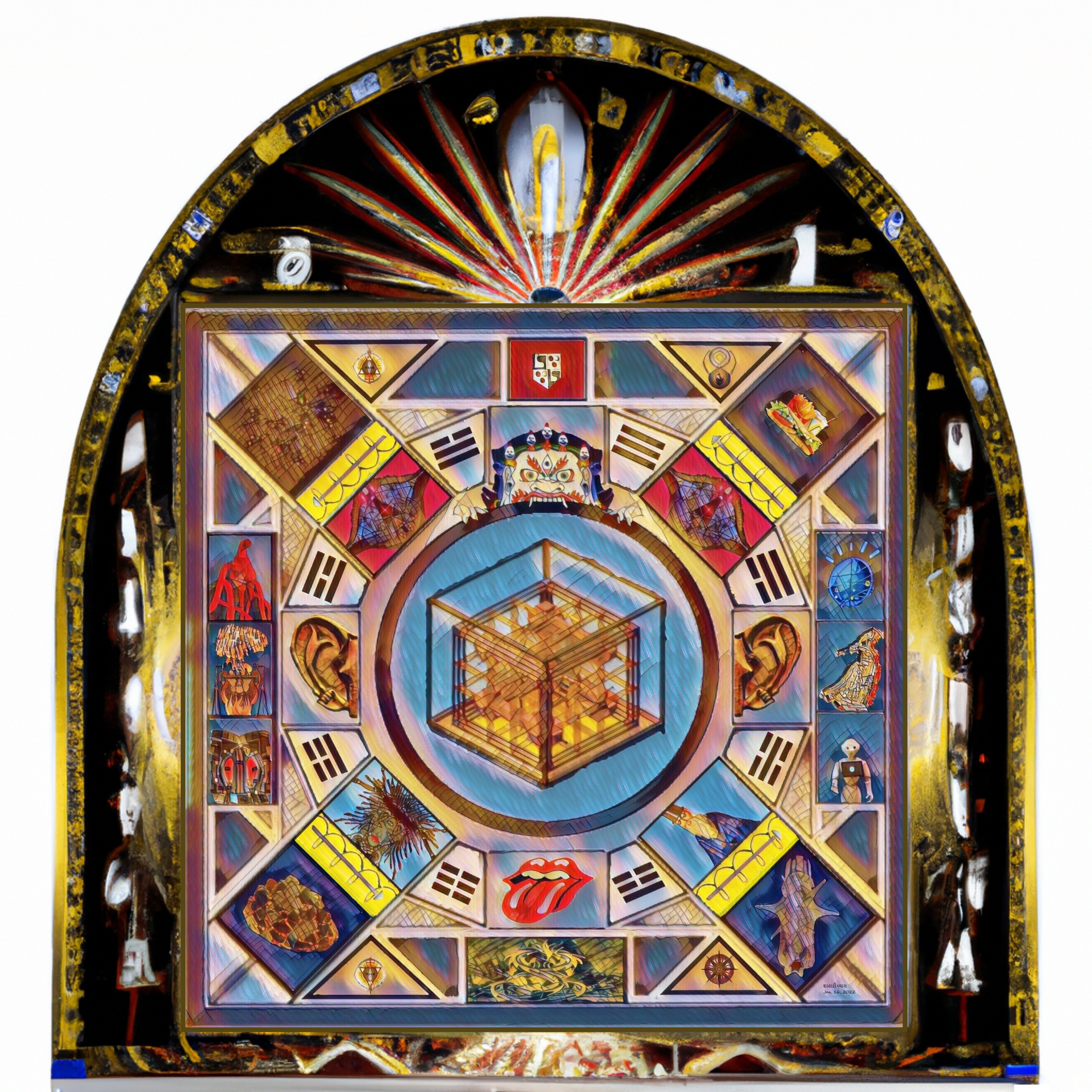
This topic is a very much debated and polarizing issue. Not only inside the artistic comunity but in society as a whole. The artistic comunity is just part of the wider debate about what kind of tasks can be delegated to a machine and which ones should remain the sole prerogatives of human operators. For … Continue reading A.I. in an artistical practice: to be or not to be?
63. Leaves of Grass — Walt Whitman
Whitman expands the human subject into a luminous field, dissolving the boundaries between particle and universe. His “I” is not singular but a democratic superposition, embracing all bodies, races, professions, and desires as manifestations of one ecstatic continuum. In his physics, individuality behaves like a localized excitation of a universal wave—distinct yet inseparable from the … Continue reading 63. Leaves of Grass — Walt Whitman
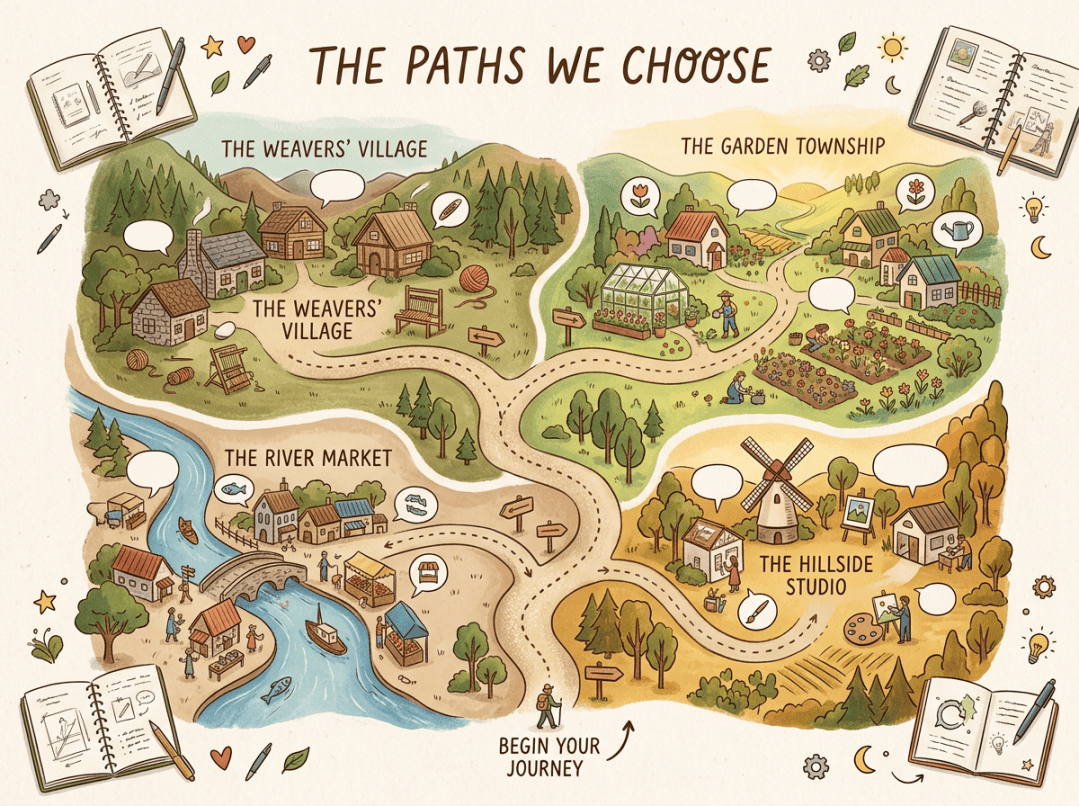
Finding your readers is the challenge, not what you should write about.
How do you write what people actually want to read? View all responses Write for yourself first: Create the exact story or article you wish existed in the world, which naturally attracts people who share your exact tastes. Finding your ideal audience takes deliberate effort because writing a good book does not automatically bring you … Continue reading Finding your readers is the challenge, not what you should write about.
In Search of Lost Time (À la recherche du temps perdu) by French author Marcel Proust
What’s the longest book you’ve ever read? The original title of this series of books was “A la Recherche du Temps Perdu”. While In Search of Lost Time is structurally seven major thematic volumes, it is physically over 3,000 pages long. Binding that much text into just seven books creates incredibly thick, heavy volumes. To … Continue reading In Search of Lost Time (À la recherche du temps perdu) by French author Marcel Proust

Black, Green, Pink at Scherben.
The curatorial aim of this exhibition is to look at how artists use color and movement to create deep, painting-like spaces, while also challenging how we see those spaces.Using abstract painting as its starting point, the exhibition Black, Green, Pink wants to bring original, rebellious energy into our modern, tech-driven world and look ahead to … Continue reading Black, Green, Pink at Scherben.
next year.
If you could relive one year of your life, which one would it be? Fiddling with the past is a tricky thing. I feel relatively well about my current state of affairs. Don't want to come back from my sabbatical of life to find out that I'm suddenly married to the dragon queen. Would rather … Continue reading next year.

Artists Have to Die Before We Canonize Them
There’s also a suspiciously Catholic logic to the whole thing: first you suffer, then you die, then everyone agrees you were a genius. Van Gogh struggles in obscurity; after death, he becomes practically the patron saint of tortured artists. Kafka wants his manuscripts burned; posterity canonizes him anyway. Emily Dickinson spends much of her life … Continue reading Artists Have to Die Before We Canonize Them
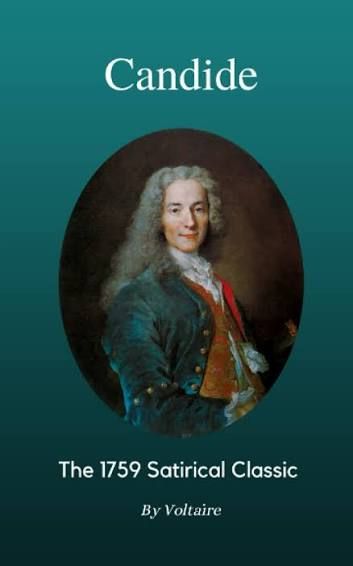
51. Candide — Voltaire
Voltaire performs a satirical stress-test on Leibnizian optimism, exposing the absurdity of claiming this to be “the best of all possible worlds.”. His verses act as satirical quanta at the doctrine of optimism, arguing that Leibniz’s “best of all possible worlds” is an elegant theory unsupported by experimental results. Candide is a naïve test particle … Continue reading 51. Candide — Voltaire

When I had to fill in my first tax declaration.
Daily writing promptWhat’s a moment when you realized you were officially an adult?View all responses I think the moment I officially realized I was an adult was when I had to fill in my first tax declaration. Until then, adulthood had mostly meant more freedom, making my own decisions, and being responsible for my own … Continue reading When I had to fill in my first tax declaration.
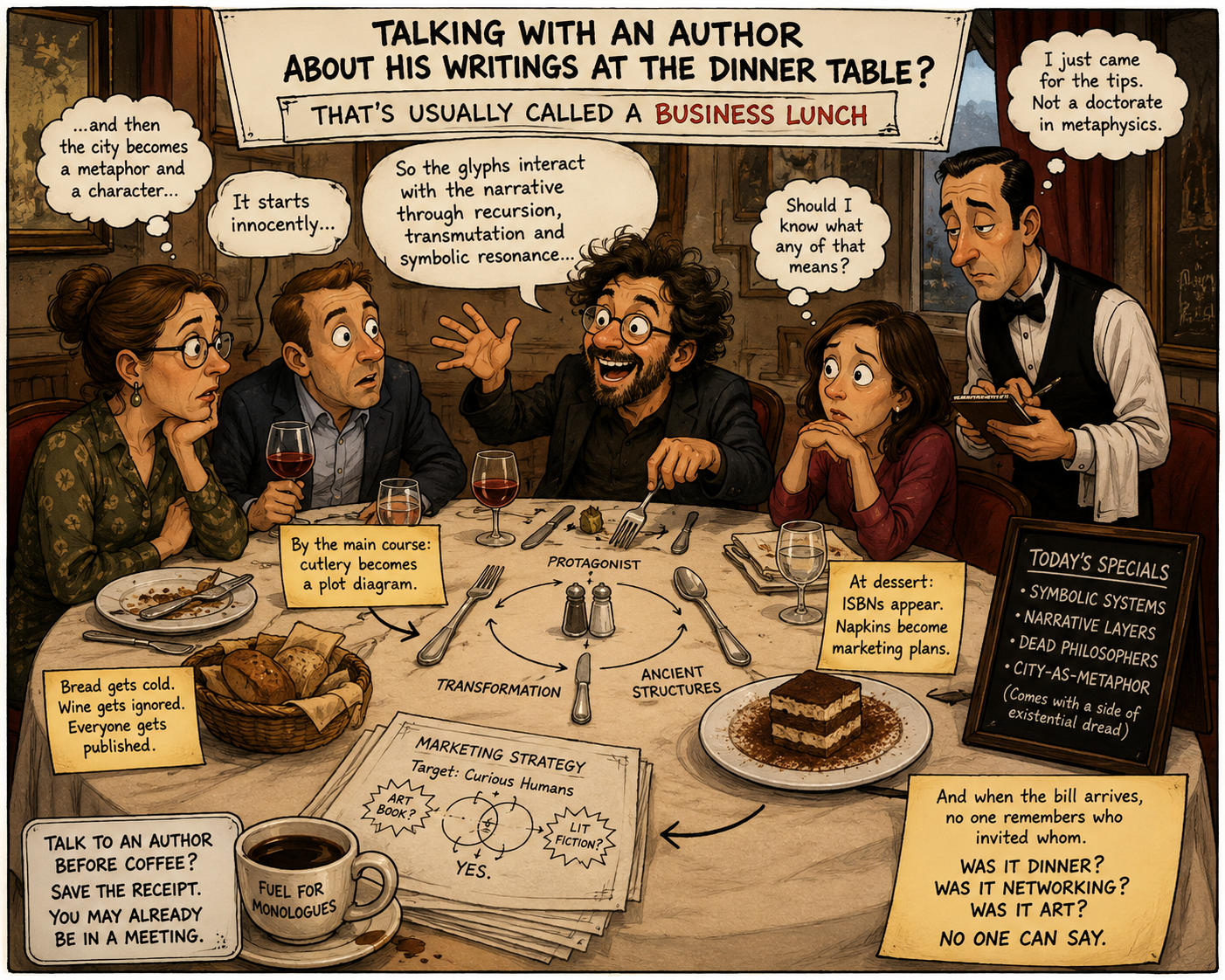
Talking with an author about his writings at the dinner table? That’s usually called business lunch.
Daily writing promptWhich author would you love to have dinner with?View all responses The warning signs are easy to miss. It begins innocently. Someone asks, “So, what are you working on?” The author says, “Oh, just a small book.” Twenty minutes later, the bread has gone stale, the wine is untouched, and everyone at the … Continue reading Talking with an author about his writings at the dinner table? That’s usually called business lunch.
A good quote can reduce a complex situation into a oneliner.
Daily writing promptWhat is your favorite quote?View all responses
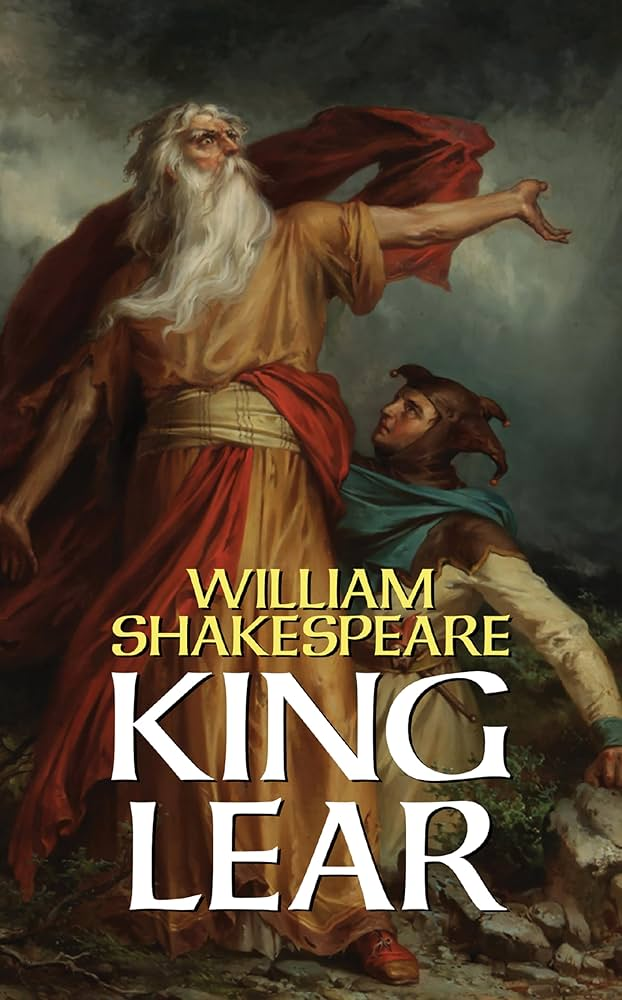
47. King Lear — William Shakespeare
Lear’s kingdom is a broken symmetry: a unified field (authority as identity) violently split into irreconcilable sectors. His abdication is the Higgs catastrophe of the play—the moment mass transfers unpredictably, granting disproportionate weight to unworthy daughters while leaving the king himself nearly massless, vulnerable to every passing storm. The heath is a quantum vacuum in … Continue reading 47. King Lear — William Shakespeare
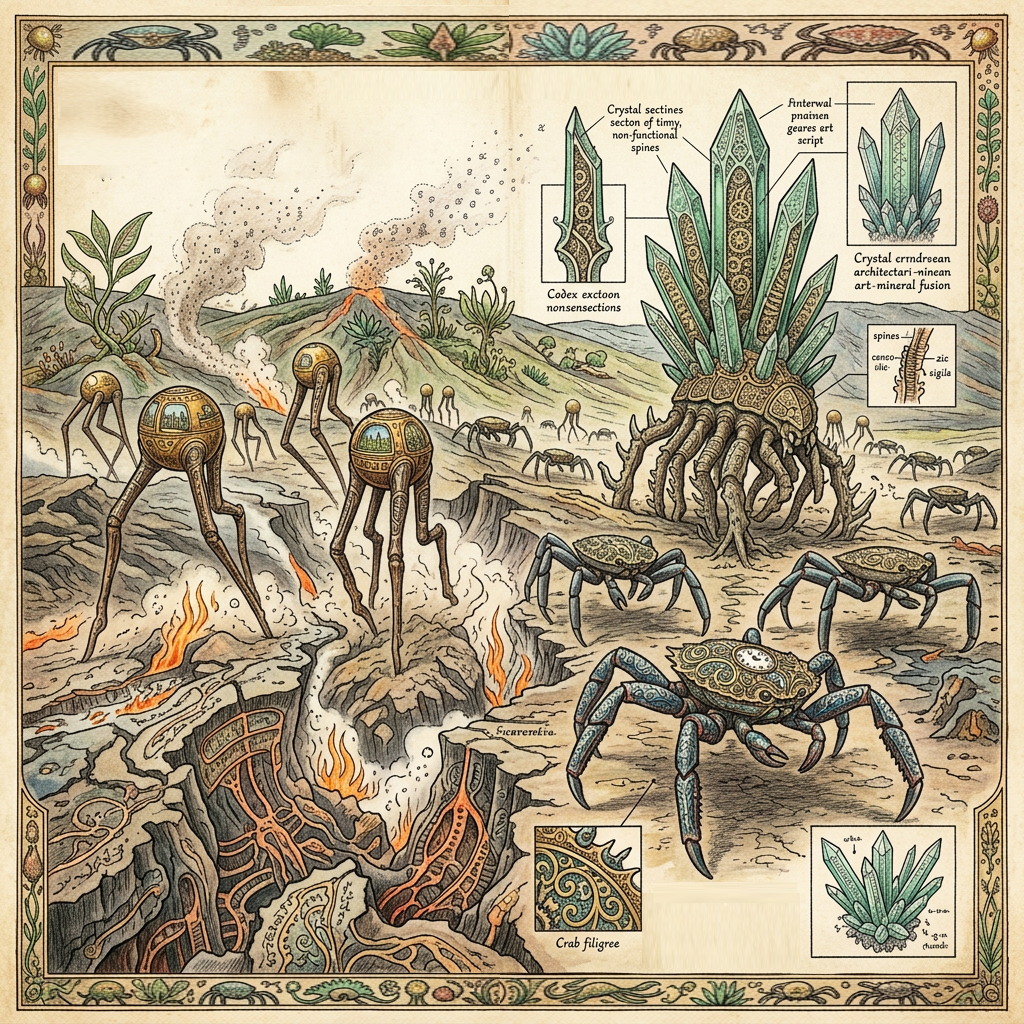
The Parade of Legged Oddities
“When the earth began to dream of standing, the first legs were born.”In the wake of stillness and root, the ground grew restless.From the soil of former beasts, from husks of thought and sprouting bone,came the Legged Oddities — creatures for whom movement is creed,and balance, a kind of prayer.They are not bodies but intentions … Continue reading The Parade of Legged Oddities
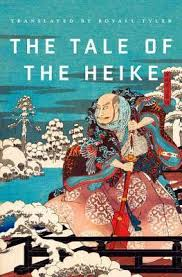
37. The Tale of the Heike — Anonymous (Japan)
The Tale of the Heike unfolds as one of the earliest and clearest demonstrations of the Standard Literary Model’s oscillatory field mechanics, where entire societies behave like charged narrative particles moving through cycles of rise, collision, decay, and reformation. At its core lies the Heike Field, a potent mixture of warrior ethos, Buddhist impermanence, and … Continue reading 37. The Tale of the Heike — Anonymous (Japan)
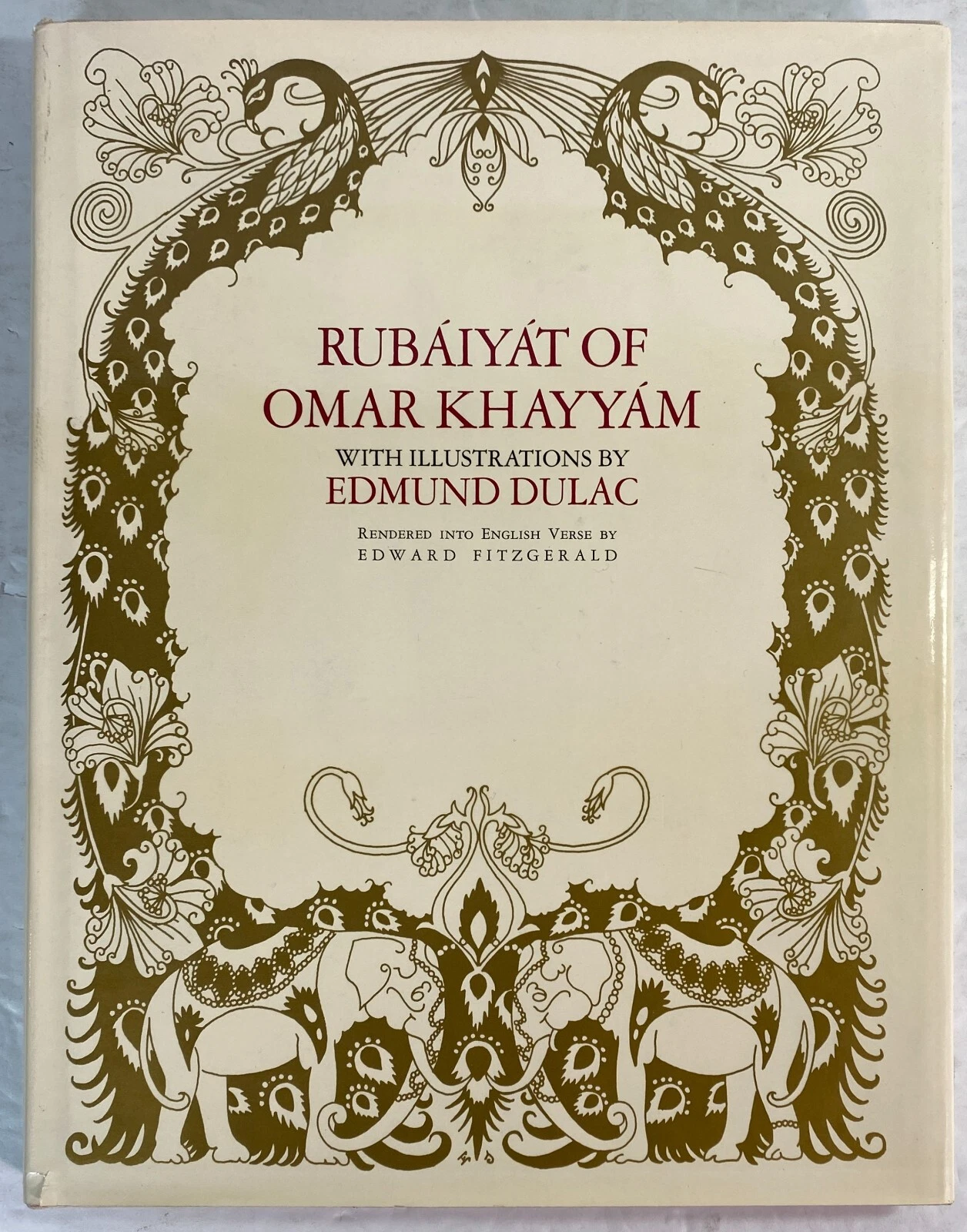
29. The Rubáiyát — Omar Khayyam
Khayyam’s quatrains behave like quantum reflections—brief, intense meditations collapsing cosmic uncertainty into lines of startling clarity. They act like short, high-amplitude oscillators—brief packets collapsing cosmic paradoxes into potent local observations. Time here is a random field; the poet’s counsel to embrace ephemeral pleasures acts like a local energy minimization strategy: if global potentials are uncertain, … Continue reading 29. The Rubáiyát — Omar Khayyam
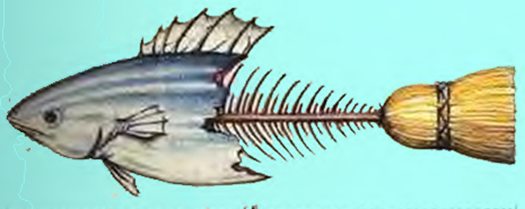
II. The Broomtail Fish
The first of the known species — half swiftness, half service.Its body is slender and blue, yet where a tail fin should be,there blooms a fan of soft bristles — the broom of the sea. It moves in gentle whisks,brushing plankton aside and polishing shells with quiet devotion.Mariners claim that when ships vanish from memory,it … Continue reading II. The Broomtail Fish

Uncluttering my hard disc, bank account, and internet profiles.
It all sounds easy, but are in fact a very arduous tasks. Many superfluous files are hidden in subdirectories that take lots of disk space (mostly called leftover files, previous concepts, drafts, etc...). I became aware of it because I started to run out of disc space while my back up, that contains all the … Continue reading Uncluttering my hard disc, bank account, and internet profiles.

14. The Mahabharata (India)
The Mahabharata is a many-body problem on an epic scale: dynasties, dharma, and cosmic will interact as multiple fields with complex coupling. The Kurukshetra war is a massive scattering event where individual actions propagate nonlinearly through families and kingdoms, producing emergent patterns (law, regret, new orders). Characters act as particles with varying masses—Bhishma’s unbending honor, … Continue reading 14. The Mahabharata (India)