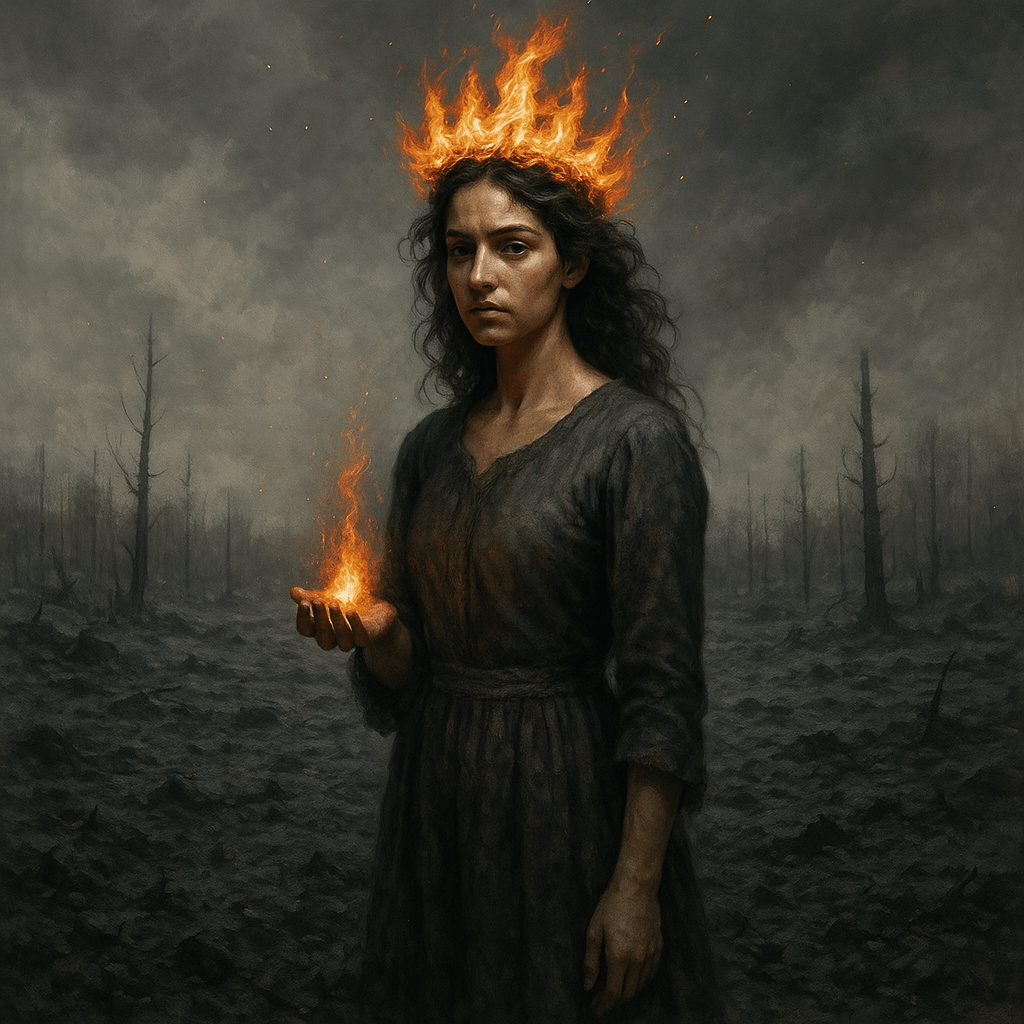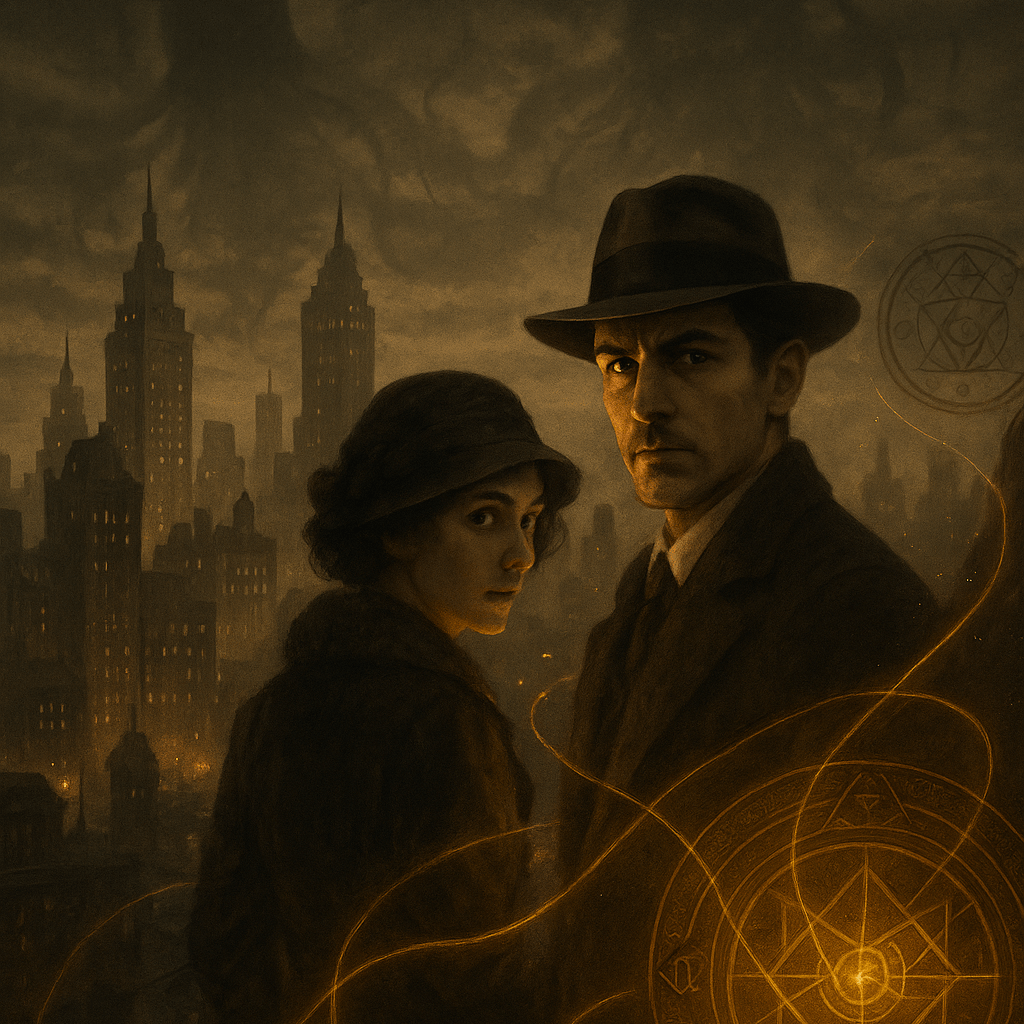
An answer to Pynchon’s question "What comes now?" is heavily explored by an often-neglected facet of US literature; science fiction, a genre that contemplates possible futures. Because science fiction spans the spectrum from the plausible to the fanciful, its relationship with science has been both nurturing and contentious. HG Wells who, by most critics, is … Continue reading A Synopsis of US literature: Science Fiction
A Synopsis of US literature: 1960 – 1980.
The 1960s, a period often called the "Sixties" or the "Swinging Sixties," were characterized by significant social, political, and cultural shifts. Key themes included the fight for civil rights, the Vietnam War, the rise of the counterculture, the sexual revolution, and the beginning of the feminist movement. The decade witnessed both optimism and upheaval, with … Continue reading A Synopsis of US literature: 1960 – 1980.
Synopsis of US literature: 1930 – 1960
In the early thirties, the first reaction to the depression was a literature of social protest. The failure of the American dream became the main theme in Jewish-American literature. The novel “Call it Sleep" mixes Marxism and Freudian theory, Jewish mythology and a stream of consciousness writing style. Farrell writes more about spiritual poverty then … Continue reading Synopsis of US literature: 1930 – 1960
A synopsis of US literature: 1910 – 1930.
On December 11th, 1910, the human character changed, and the modernist consciousness founded itself upon the inherent instability of the new relative worldviews. Suddenly humankind was lost in a relativistic universe where there are no more rules that can be transgressed, and nobody can be accused of abnormality. The Chinese pagoda became popular in European … Continue reading A synopsis of US literature: 1910 – 1930.
A Synopsis of Us Literature: 1890 -1910.
In the 1890's, many realists became naturalists, a term created by Emile Zola. For them realism was an ideology and the novel had the power to become a political weapon. Crane had the view that life and death are determined by fate. He wrote about a man who said to the Universe "Sir, I exist! … Continue reading A Synopsis of Us Literature: 1890 -1910.
A sinsopsis of US literature: 1854 – 1890
European observers, who take a close look at the characteristics that they qualify as typical for white Americans, discover soon that they were originally attributes of the American Indian. The liberation from a social hierarchy and the idea that “all men are born equal” is also an American Indigenous invention that crossed the Atlantic Ocean … Continue reading A sinsopsis of US literature: 1854 – 1890
A sinopsis of US literature: 1810 – 1854.
1810 - 1840 is known as the Knickerbockers’ Era of American literature. The name comes from "A History of New York" by Dietrich Knickerbocker, a pseudonym of Washington Irving. It was a humorous rather than a serious history of the city. He invented many of the events and legends he wrote about in the book. … Continue reading A sinopsis of US literature: 1810 – 1854.
A Brief Sinopsis of US literature: 1735 – 1810.
In the early days of independence, American novels served a useful purpose. They used realistic details to describe the reality of American life. But when some of the good American literature started to arise above the time and place where they were written; these works became universal. The oldest examples are the sketches and observations … Continue reading A Brief Sinopsis of US literature: 1735 – 1810.
Reading the Canon of World Literature
Chapter 18; Don Quixote by Miguel Cervantes.May, 20th, 2015.Summary.The main character got introduced as Alonso Quixano, a financially independent old man who spends all his time on reading tales about medieval knights ‘s slaughtering dragons and saving princesses.He became so obsessed with this subject that one day he puts on his bet grandfather’s harness, changes … Continue reading Reading the Canon of World Literature
Reading and Location: Dublin and Finnegans Wake.
In Finnegans Wake, James Joyce uses various representations of Dublin, including the double-n "nn" (total negation) and the Irish name Baile Atha Cliath (Town of the Ford of Hurdles). Joyce often draws parallels between Dublin and other cities, believing that the particular can reveal the universal. This name appears frequently in the book, along with … Continue reading Reading and Location: Dublin and Finnegans Wake.
Reading and location: Shantaram’s Mumbai
Shantaram is another book that should be read while gathering impressions of a place. It is a 2003 novel by Gregory David Roberts, in which a convicted Australian bank robber and heroin addict escapes from Pentridge Prison and flees to India. The novel is commended by many for its vivid portrayal of life in Bombay … Continue reading Reading and location: Shantaram’s Mumbai
Reading and Location. The Cemetery of Forgotten Books and Barcelona.
I came to the realization that there are certain novels wherein the authors elevate their settings almost to the level of a protagonist. Most of them are big cities and if, by chance of whim, you possess a more intimate knowledge of their layout, history, and inhabitants, it increases manifold the reading experience. Even more … Continue reading Reading and Location. The Cemetery of Forgotten Books and Barcelona.
Unlocking Finnegans Wake: Free Plain English Version
I invite everyone who has been putting Finnegans Wake aside as an unreadable Moloch, to have a look at this transcription in plain English that you can download for free during the weekend (from Friday May 23, 2025, 12:00 AM PDT till Saturday May 24, 2025, 11:59 PM PDT ) by following this link. You … Continue reading Unlocking Finnegans Wake: Free Plain English Version
Reshuffling my Art and Finding my own Style.
I decided to pause the report of my quest into the canon of the world literature because there was a similar hiatus in my exploration process back then in 2015 that actually lasted till May 20th, 2015. Instead I'm going to expand a little bit upon how I've recently developed my own artist's style or … Continue reading Reshuffling my Art and Finding my own Style.
Reading the Canon of the World Literature April 19 – 22.
The Idiot by Fyodor Dostoevsky. 19-22 April 2015.Due to a glitch of the local internet that lasted for three days, I was confined to the books that I already downloaded. So after a small excursion to the early Indian literary space time continuum, I had to contend myself to be warped back into the 19th … Continue reading Reading the Canon of the World Literature April 19 – 22.
Reading the Canon of the World Literature April 16 – 18
The Ramayana Volume six; The Book of War.The Monkey army under command of Sugriva and Rama marched up to the shores of the Southern Sea where they find Vibishana, the brother of Ravana. When they brought him as a prisoner to Rama he explained that he got exiled because he spoke in favor of a … Continue reading Reading the Canon of the World Literature April 16 – 18
Reading the Canon of the World Literature April 14 – 15
The Ramayana by Valmiki. The title can be translated as the Journey of Rama (who was an avatar of Vishnu) and consisted of 24,000 verses in seven books (kāṇḍas) and 500 cantos (sargas) all good for more than 50.000 lines of scripture. It is the second pillar of Indian literature and luckily, just like with … Continue reading Reading the Canon of the World Literature April 14 – 15
Reading the Canon of the World Literature April 10 – 11
War and Peace by Leo Tolstoi 10 April 2015Volume 3..Natasha started slowly to recover from her disastrous liaison with Anatole and its calumnious fall out thanks to her loving family, her cousin Sonya and some newly found religious believes. At the same time the whole country was gearing up for an imminent confrontation with the … Continue reading Reading the Canon of the World Literature April 10 – 11
Reading the Canon of the World Literature April 7 – 9
War and Peace by Leo Tolstoy. April 7, 2015.Volume 1;The book started with a party given by Anna Pavlovna Scherer (the best friend of the Empress Dowager who was the most powerful woman at the court of her son, Tsar Alexander) in St. Petersburg in 1805 and introduced Pierre Bezukhov and his good friend Prince … Continue reading Reading the Canon of the World Literature April 7 – 9
Reading the Canon of the World Literature April 4 – 6
One Hundred Years of Solitude by Gabriel Garcia Marquez. We’re halfway Semana Santa and our little rock is invaded by herds of drunk and pot smoking tourists. The part of the population that isn’t working into the tourism industry is either gleefully participating or went into lockdown with enough food and drink to survive for … Continue reading Reading the Canon of the World Literature April 4 – 6