The 1960s, a period often called the “Sixties” or the “Swinging Sixties,” were characterized by significant social, political, and cultural shifts. Key themes included the fight for civil rights, the Vietnam War, the rise of the counterculture, the sexual revolution, and the beginning of the feminist movement. The decade witnessed both optimism and upheaval, with progress in areas like civil rights and technology, but also setbacks like the Vietnam War and social unrest.

Those new trend are reflected in the characters in Updike’s later novels seemed to have only their bodies. These bodies became more important than their souls. In his books, Updike becomes the novelist of the modern religion; sex.
Important new forms for American fiction were;
• Factualized novel; the author used the facts of history to create new and unusual forms of fiction.
• Post-realism; we can no longer be sure that there is a “real world” outside our heads.
In Vonnegut’s novels, life was described as a terrifying joke. Real time was broken up into little bits and mixed together. Then he turned away from experimentalism, towards a style where his humor was still black, but softer and less painful.
This attitude is equally reflected by Barth who wrote, “What the hell, reality is a nice place to visit, but you wouldn’t want to live there, and literature never did, very long”.
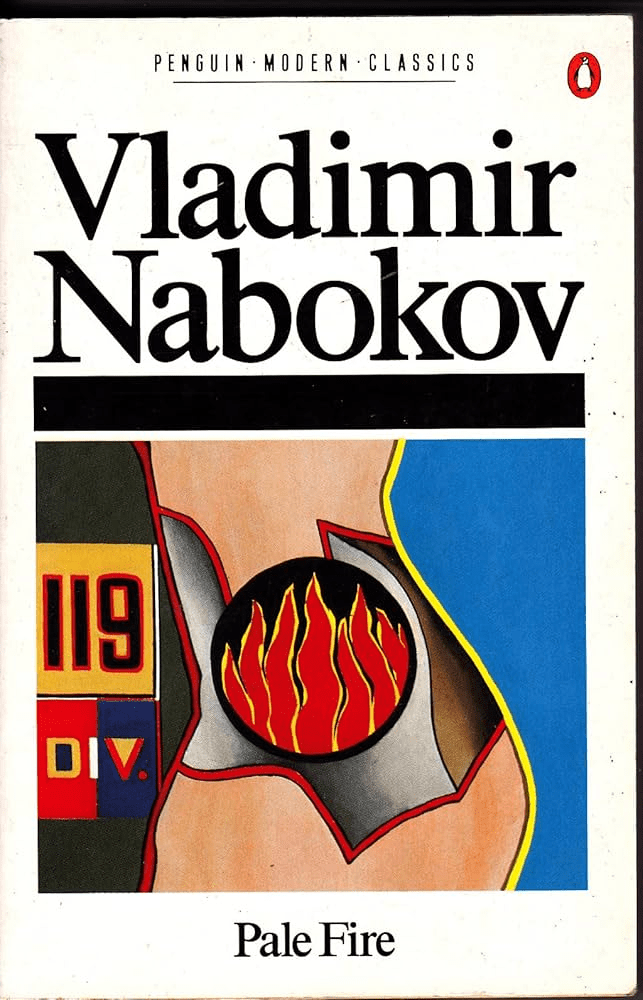
Vladimir Nabokov agreed and believed that art is a kind of reality where “the invention of art contains far more truth than life’s reality”. In his opinion, “Fiction is the most urgent game, a contest of minds with the reader”. Nabokov was an artist who tried to “defeat time and destroy reality”.

In Brautigan’s book “In Watermelon Sugar” a character asks the narrator; “What’s your book about?”. He answered, “Just what I’m writing down, one word after another”.

This contrasts with the stories of Thomas Pynchon, whose plots and the things he wrote about were mostly real. He was unusual because he seemed to know everything. His novel “Gravity’s Rainbow” has been studied by Scientific American because of the interesting ideas in it. Pynchon’s novels tried to create the “emotion of mystery”. His main characters became detectives, spending their lives to understand strange mysteries. One of the leading themes of his novels seems to be “What comes now?”

 The Maharajagar