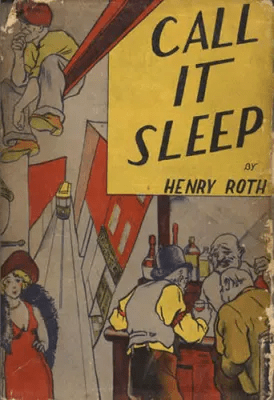
In the early thirties, the first reaction to the depression was a literature of social protest. The failure of the American dream became the main theme in Jewish-American literature. The novel “Call it Sleep” mixes Marxism and Freudian theory, Jewish mythology and a stream of consciousness writing style.
Farrell writes more about spiritual poverty then about economic poverty in “Young Lonigan”(1934). It handles about the emotional religion, the new child every year, the money-worries and the heavy drinking of Irish-Catholic families.
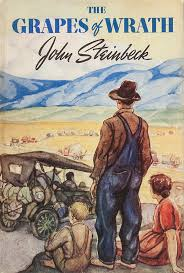
The work of John Steinbeck represents a similar attempt to get it all on paper. In “The Grapes of Wrath” (1939) he told the story of a great national tragedy through the experiences of a single family of individuals.
A couple of years later Miller (1891 – 1980) called America “an air-conditioned nightmare”. In “The Cosmological Eye” (1939) he stated that all his life he had felt a great kinship with the madman and the criminal. He developed his own vision of how man should live. Laughter, freedom and joy should be the goals of life.
By 1945, America was a world power with huge international responsibilities. After the war, America entered in an” Age of Anxiety”. First there was the fear of The Bomb and The Fear of Communism became a national sickness. Many writers in this period tried to find answers to old questions like “Who am I?” They tried to find it in their own racial backgrounds, while others explored the new ideas of philosophy and psychology and the young beat-writers used oriental religion for the same purpose.
In the 1940’s 1950 the Jewish-American literature looked at the spiritual and psychological problems in a different way. They brought a new interest in the old moral problems and created the humor of self-criticism.
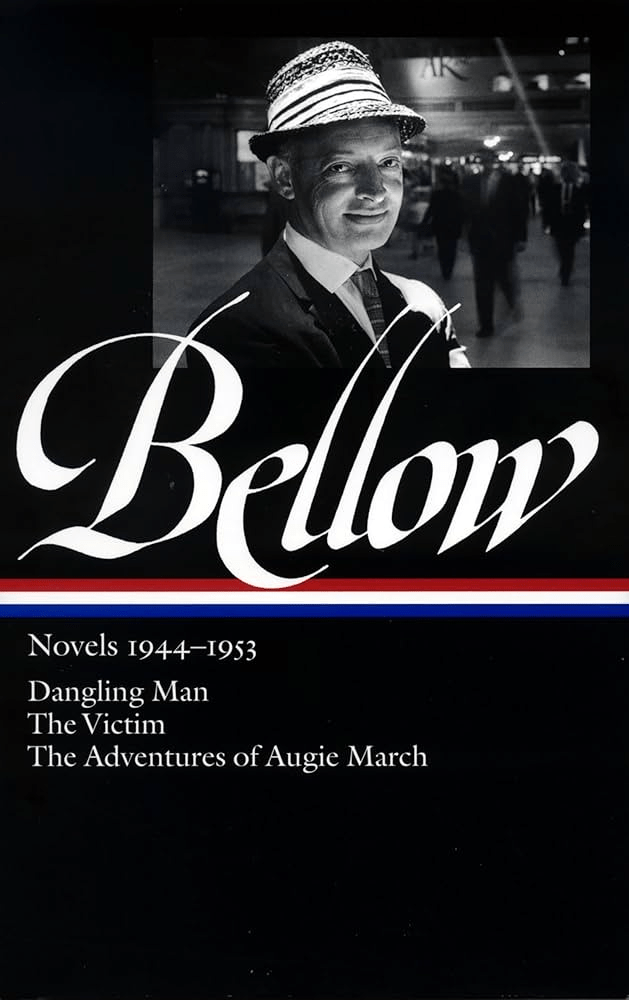
Saul Bellow once stated, “According to the philosophy of existentialism, man is completely alone in a meaningless world without God or absolute moral laws”. The Bellow-hero lives actively in his own head. He searches for answers in his mind rather than in the outside world while Singer wrote about eastern-European Jews, their superstitions and folktales and brought this lost world back to live.
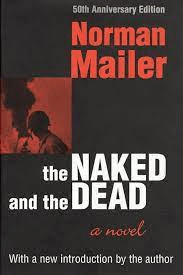
Norman Mailer did more than trying to describe the existential pain of modern world. “I will settle for nothing less than making a revolution in the consciousness of our world”. He reported on the psychological history of America while that story still happened. Some other writers in the sixties and seventies looked deep into the nature of American values in order to understand what is happening in their souls.

 The Maharajagar