On December 11th, 1910, the human character changed, and the modernist consciousness founded itself upon the inherent instability of the new relative worldviews. Suddenly humankind was lost in a relativistic universe where there are no more rules that can be transgressed, and nobody can be accused of abnormality. The Chinese pagoda became popular in European culture as the cathedral of a religion that accepts a void because its five floors symbolize the five mystical nothings of life (earth, water, air, fire and ether) and the reality of a barrel became its emptiness inside (Lao-tse).
Existentialism placed the individual on a rope that spans an abyss and turned his daily occupations in acts of courage and perseverance. Language became, just as money, an exchange object whose circulation serves only as a vector that maintains a sense of community. Wittgenstein perceived the language as the limit of our knowledge and declared; „Wovon man nicht reden kann, darüber muss man schweigen“. But the modernist thinking crosses the language barriers and stipulates that the unspeakable can be expressed in paintings, music or mathematical equations.
Another modernist credo is that the artist or scientist cannot create anything new because the world is already made. All they can do is to reorganize it and being innovative is to force the reality in new molds of perception. The modernist art diverges in two directions; the impressionists who wait for the evaporation that will drain away the observable world in favor of the pure and unlimited space and the cubists who replaced religion by a happily chaotic pantheism. When Apollinaire in 1913 analyzed a cubist painting, he warned for the hybrid and deviating creatures that modernism can produce. He predicted a world where individualism will be erased and humankind mentally and physically adapted to serve the machines.
The most intriguing paradox of the 20th century modernists was their tendency to primitivism; the desire to abandon the laboriously earned advantages of culture and science in order to be attracted by a reckless regression. This fanatically cultivated barbarism elevated actors, musicians and athletes to the status of temporary deities to be worshiped by the masses. The Rite of Spring by Stravinsky became the musical expression of modernist’s primitive nature. It opposed the social contract that binds the individual to an institutionalized and repressive conscience.
The human condition still has to come to terms with the idea that primitivism and industrialism are allies in the modernist vision. The dilemma the of the 20th century is synthesized by their affinity; the primitive culture and art of the American Indian on one side, and the worldwide atrocities committed on the battlefields on the other side, show the world before and after the mechanization. So is it not astonishingly that most of the contemporary American isolationism originated from regions with the closest ties to the indigenous populations.
American newspapers were becoming very powerful by this period. They were very patriotic and pleased their readers with stories of courage and red blood. American society was united in a kind of conspiracy against the growth and freedom of the mind.
For too long, American life had been divided between the businessman (who only thinks of making money) and the intellectual (who has only unpractical theories and ideas).
The new generation of American writers did construct a middle ground where they meet. Hiding the truth about human sexuality – and punishing those who tried to talk about it – was and is still part of America’s puritanical morality. Only intelligent readers are able to accept even ugly truths about human nature.
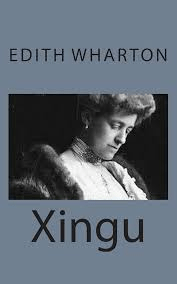
This can be illustrated by a quote from Edith Warter who wrote about a ladies’ culture circle in Xingu (1916) “Her mind was like a hotel where ideas came and went like transient guests, without leaving their addresses behind”. Edith Warter was brought up to see herself as a decorative object for wealthy man. The upper class claimed to be highly moral, but often, their actions – towards women as well as in business – were not moral at all. In all her works, the natural instincts of people are crushed by an untruthful society
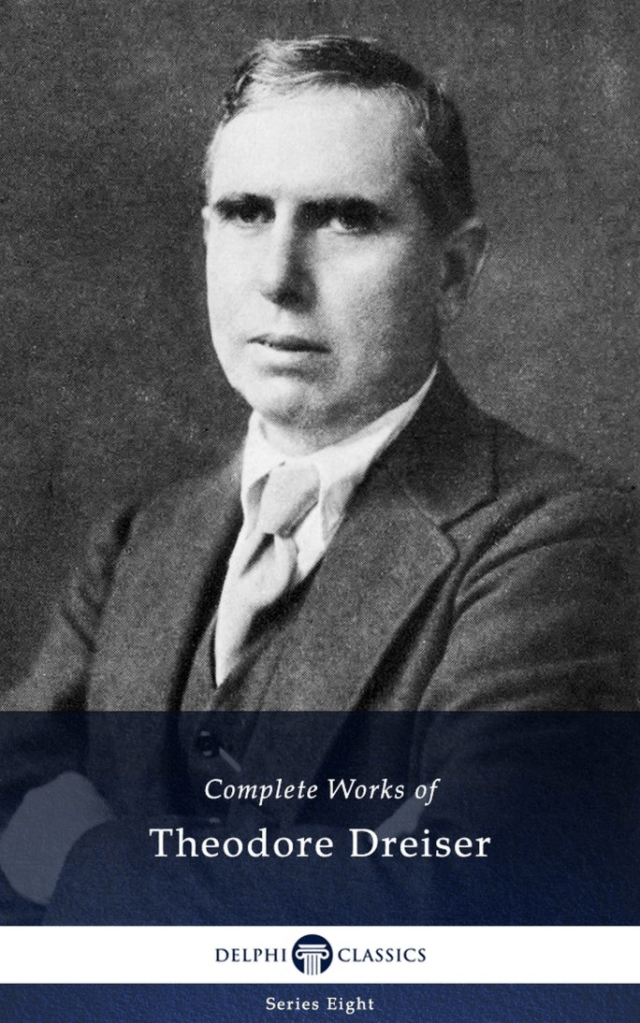
Theodore Dreiser’s characters did not attack the nation’s puritanical moral code; they simply ignored it. While looking at individuals with warmth, he also sees the disorder and cruelty of life in general.
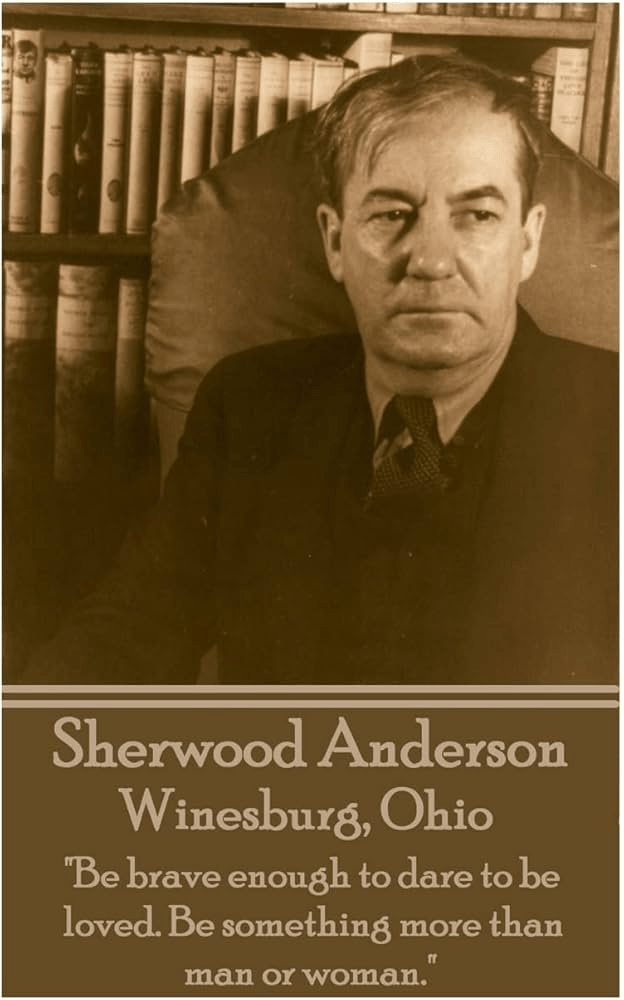
Sherwood Anderson brought the techniques of modernism in American literature. These techniques include; a simpler writing style, more emphasis on the form of the story than on its content and a special use of time.
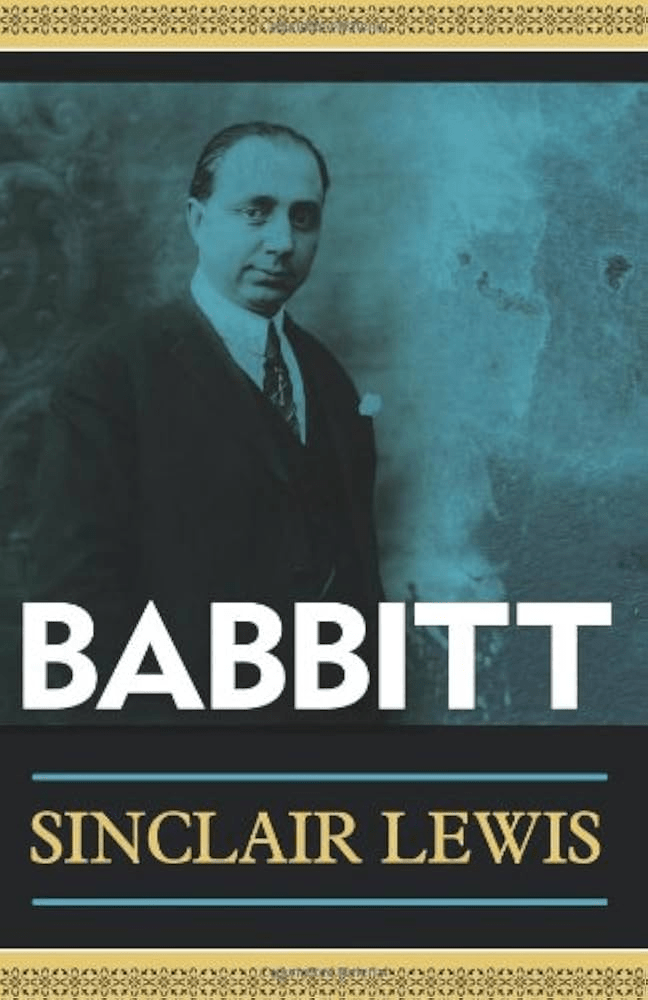
Sinclair Lewis character, Babbitt, is part of the American language. It means a joiner, a conformist. Lewis severely condemns the values of middle-class America, but he doesn’t suggest any other values that can take their places.
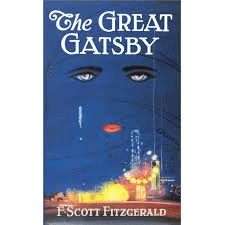
Fitzgerald hero Gatsby symbolizes the belief that money can buy love and happiness. His failure makes him a rather tragic figure.
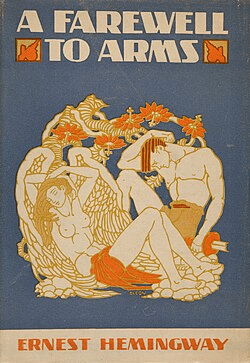
Ernest Hemmingway was trying to create his own answer to that problem. Many of the young people in the post-war I period had “lost” their American ideals. In this context, Hemingway spoke about a lost generation. Without hope or ambition they tried to enjoy each day as it comes. All they want to know is how to live in the emptiness of the world. The typical Hemingway hero must always fight against the nada of the world. He developed a theme of heroism, stoicism and ceremony.

 The Maharajagar